
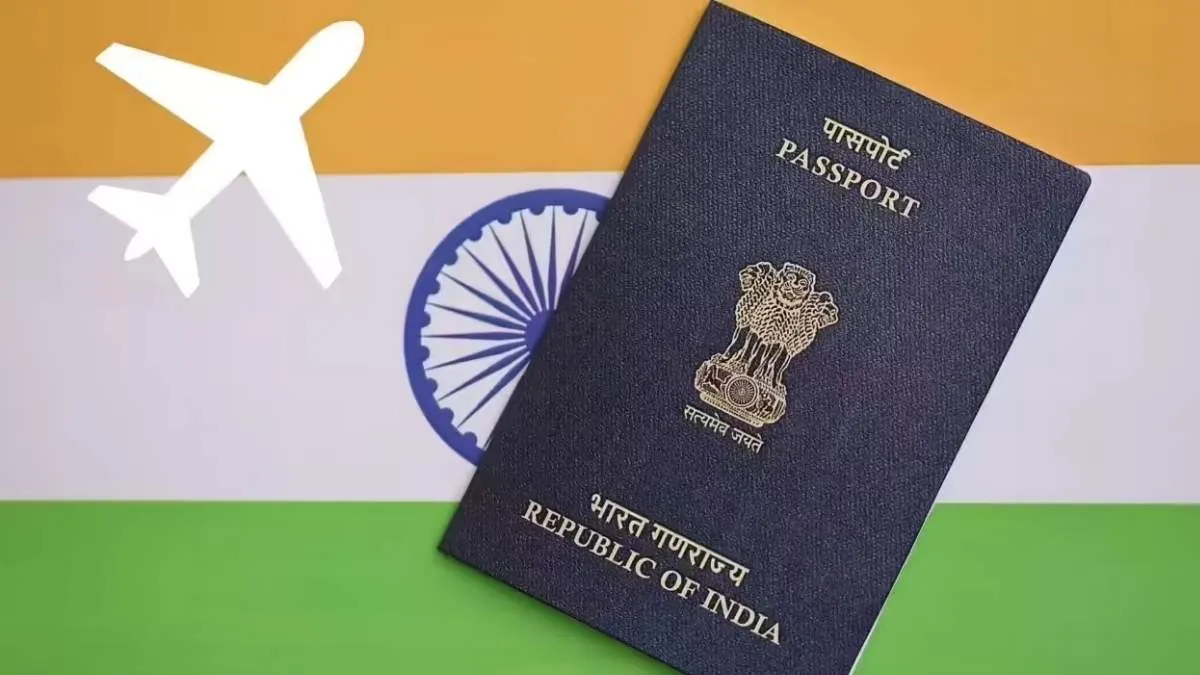
From Laos and Qatar to Sri Lanka and Nicaragua, Indian passport holders have faced several changes in entry procedures this year
Indian travellers have encountered a series of changes to visa and entry requirements in 2026, with several countries moving away from visa-on-arrival arrangements towards online applications or advance authorisation.
According to a comparison of current and 2025 entry rules cited by NDTV and based on Passport Index data, Indian passport holders have lost visa-on-arrival access in several destinations, while some countries have introduced e-visa options.
Laos and Qatar have shifted Indian travellers from visa-on-arrival arrangements to e-visas, requiring applications to be completed before travel. Sri Lanka has moved from an e-visa-on-arrival process to an Electronic Travel Authorisation (ETA), making prior approval necessary.
Iran also changed its system, with Indian travellers now required to obtain an e-visa rather than relying on visa-on-arrival arrangements. The change was introduced in November 2025.
-
At the same time, some countries have made entry easier by moving from traditional visa requirements to digital applications
-
Chile, Ghana and Venezuela now offer e-visa routes to Indian passport holders instead of requiring a conventional visa application
Cape Verde tightened its rules from January 1, 2026, ending visa-on-arrival access for citizens of 96 countries, including India.
Nicaragua also changed its procedure from February 14, allowing Indian citizens to apply for an electronic visa online or submit an application to its immigration authorities by email.
The changes highlight the importance of checking entry requirements shortly before an international journey. Visa classifications can change during the year, and travellers who previously relied on visa-on-arrival facilities may now need approval before boarding.
Current official information should be checked before booking flights, particularly for destinations where visa policies have recently been revised.