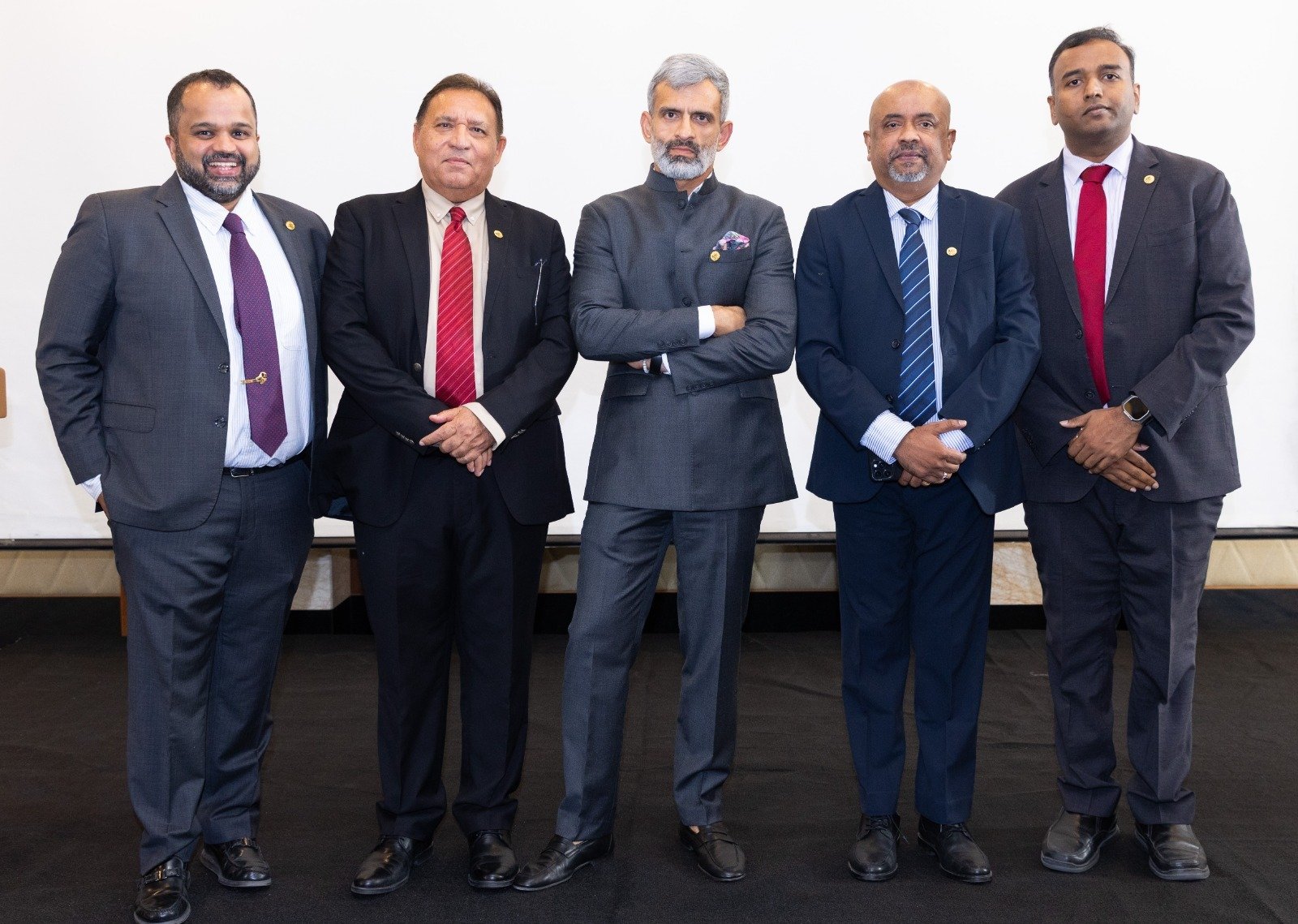


Diaspora investment could help fund infrastructure, industries and employment-generating projects, says veteran expatriate
A leading expatriate organisation has called on the Kerala government to create stronger avenues for mobilising Non-Resident Indian savings and directing them towards productive investments that can support the state’s economic growth.
The proposal comes amid renewed efforts by the Kerala government to shift the diaspora’s role from primarily remittance providers to long-term investors in the state’s development. The 2026-27 budget has already proposed a Pravasi Investment Company and a Pravasi Investment Trust Fund to attract overseas Malayali capital.
K.V. Shamsudheen, chairman of the Pravasi Bandhu Welfare Trust, has argued that Kerala should offer secure and credible investment instruments that can encourage expatriates to put their savings into infrastructure, industry and employment-generating ventures.
He has suggested that the proposed Thiruvananthapuram-Kasaragod high-speed rail corridor could be among the projects considered for diaspora financing. One option, he said, would be to issue secured, redeemable and tax-free bonds for Non-Resident Keralites, drawing on the experience of Konkan Railway’s earlier bond-financing model.
-
The wider objective is to reduce dependence on remittances for household consumption and increase the share of diaspora funds invested in productive assets
-
Shamsudheen has pointed to the substantial volume of NRI deposits held in Kerala’s banking system as evidence of the financial potential available to the state
The call also fits into the government’s broader diaspora policy. The revised state budget includes plans to expand the Pravasi Dividend Scheme, strengthen the Norka Business Facilitation Centre and widen the Pravasi Chitty programme, with savings linked to infrastructure financing.
Kerala’s banking sector has also recorded strong growth, with total deposits reaching ₹10.63 lakh crore and deposits from Non-Resident Keralites rising by 11 per cent, according to a recent government update.