
-
The policy is also expected to strengthen India’s foreign exchange reserves by encouraging additional dollar inflows from overseas Indians
-
Market observers believe the scheme could attract substantial NRI participation in the coming months, especially as global interest rate differentials continue to favour such structures
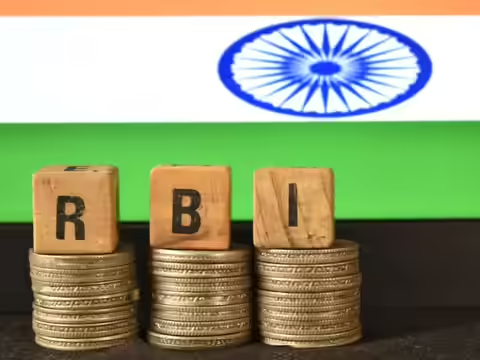
A recent Reserve Bank of India (RBI) initiative aimed at attracting foreign currency inflows is generating significant interest among Non-Resident Indians (NRIs) worldwide, with banking experts highlighting new opportunities for overseas Indians to increase returns on Foreign Currency Non-Resident (FCNR-B) deposits.
The development follows the RBI’s decision to provide a special swap facility for banks raising fresh FCNR(B) deposits. By absorbing hedging costs, the central bank has enabled lenders to offer substantially higher interest rates on foreign currency deposits, prompting several major Indian banks to revise their FCNR rates upwards.
-
Financial analysts say the move has revived leveraged deposit structures that allow eligible NRIs to borrow funds overseas and place them in FCNR deposits in India
-
Under certain market conditions, the interest rate differential can significantly enhance returns, making FCNR deposits more attractive than traditional foreign currency savings products available in several overseas markets
The RBI’s special window is available for fresh and renewed FCNR deposits with maturities ranging from three to five years. Banks can swap these deposits with the RBI at concessional rates, reducing their funding costs and enabling them to pass higher returns to depositors. Several lenders have already raised FCNR rates above seven per cent for selected tenures.
The initiative is particularly relevant for Indians living in the Gulf, North America, Europe and Asia-Pacific regions, where foreign currency deposits are a popular investment avenue. Wealth managers caution, however, that leveraged investment strategies involve borrowing costs and should be evaluated carefully before participation.