
Oman’s northern port sees a sharp rise in Indian cargo as shipping lines seek alternative routes to GCC markets
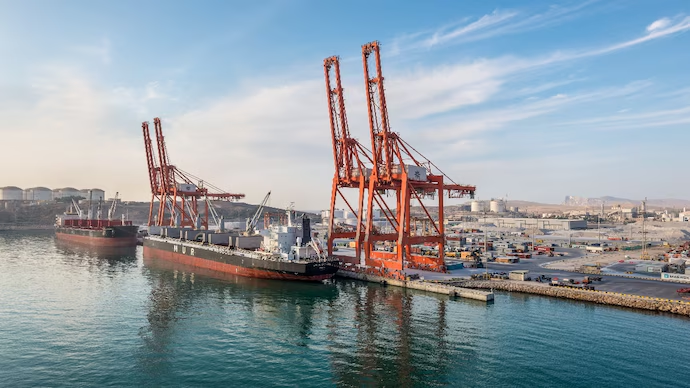
Oman’s Sohar Port is emerging as an important gateway for Indian exporters to the Gulf Cooperation Council (GCC) as disruptions and security concerns around the Strait of Hormuz reshape regional shipping routes
Located on Oman’s Gulf of Oman coast, Sohar is outside the Strait of Hormuz, allowing cargo arriving from India to reach Oman before being distributed by road to markets across the GCC. Recent reports indicate that feeder services linking Indian ports with Sohar have increased nearly fourfold since the West Asia conflict disrupted established shipping routes.
Raid Al Rubaiey, Deputy CEO of Sohar Port and CEO of Sohar Freezone, said the port has recorded a significant increase in Indian cargo, particularly food products such as rice and other consumer goods. Cargo that previously travelled directly to Gulf destinations through Hormuz is increasingly being routed through Sohar.
-
The shift is also prompting Sohar to consider expanding its handling capacity
-
The port is in discussions with several Indian logistics and terminal operators interested in establishing or operating facilities there, according to its management
The development comes as shipping through the Strait of Hormuz remains below normal levels. Recent shipping data showed only four commodity vessels transiting the strait on one day, compared with a 10-day average of 16.
Sohar is not expected to replace the major Gulf ports or eliminate India’s dependence on Hormuz-linked trade routes. However, its location, deep-water facilities, industrial infrastructure and road connections to GCC markets provide Indian businesses with another logistics option during periods of maritime disruption.
Oman is also promoting Sohar, Salalah and Duqm as part of a wider logistics network aimed at strengthening the country’s role in regional trade.