
Thousands of Indian-origin truckers could face increased scrutiny as US administration signals tougher enforcement in the commercial transport sector
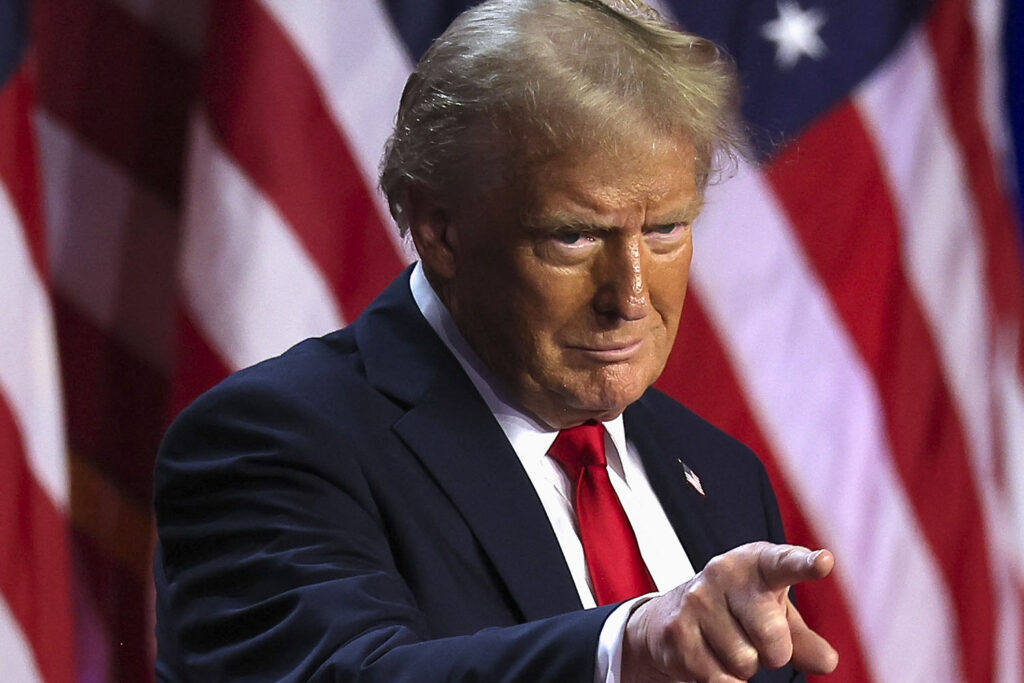
US President Donald Trump has announced plans to replace undocumented immigrant truck drivers with American military veterans, a proposal that has prompted concern among Indian-origin trucking communities across the United States.
Speaking at a defence and innovation event in Pennsylvania, Trump said his administration would take what he described as “historic action” against undocumented commercial drivers. He alleged that some were responsible for serious road safety risks and said veterans with experience operating heavy military vehicles should be fast-tracked for commercial driving licences.
The proposal follows a fatal crash in Pennsylvania involving a commercial truck, which has intensified debate over road safety and immigration enforcement. While the administration has not announced detailed implementation measures or a timeline, officials have indicated that stricter checks on commercial drivers and trucking companies are expected.
-
The announcement has drawn attention within the Indian diaspora, particularly among Punjabi and Sikh communities, which have a significant presence in the US trucking industry
-
Industry estimates suggest that between 130,000 and 150,000 truck drivers from Punjab and Haryana are employed across the United States, although the proposal is aimed at undocumented drivers rather than legally authorised workers
Immigration advocates and industry observers say the plan could lead to increased scrutiny of immigrant drivers and transport firms, even as the US trucking sector continues to face persistent labour shortages. They note that many Indian-origin truckers operate legally and play a vital role in freight movement across the country.
The administration has argued that expanding employment opportunities for military veterans while strengthening immigration enforcement would improve highway safety. However, analysts say the practical impact of the proposal will depend on the legislation, regulatory changes and enforcement measures introduced in the coming months.