

Scientists uncover hundreds of ancient whale fossils and thriving deep-sea ecosystems in a landmark marine discovery
PRAVASISAMWAD.COM
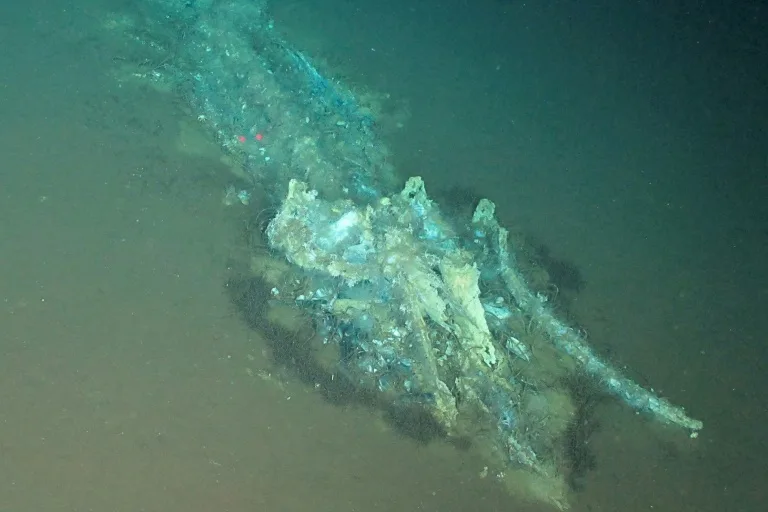
Researchers have discovered what is believed to be the world’s largest whale graveyard on the floor of the Indian Ocean, revealing an extraordinary collection of ancient fossils and modern whale remains that is reshaping understanding of deep-sea life, reported abc.net.au.
The vast site was found in the Diamantina Fracture Zone, around 1,600 kilometres west of Australia, in waters more than 7,000 metres deep. Scientists documented five recently deceased whales alongside hundreds of fossilised cetacean remains, including a previously unknown extinct species estimated to be more than five million years old.
The discovery was made by an international team of researchers from China, Italy and New Zealand, who carried out 32 submersible dives across the remote region. Their survey identified hundreds of fossil sites spread along a 1,200-kilometre corridor on the seabed, making it the largest known concentration of whale remains ever recorded.
-
Scientists believe the area may have served as an important migratory route for whales over millions of years
-
The unique geology of the fracture zone, combined with ocean currents and deep trenches, may have contributed to the accumulation and preservation of carcasses and fossils
The site is also teeming with life. Researchers found communities of deep-sea organisms living on and around the whale remains, including crustaceans, molluscs, brittle stars and bone-eating worms. Some of these species may be previously unknown to science. Whale carcasses that sink to the ocean floor, known as “whale falls”, provide nutrients and shelter that can sustain ecosystems for decades.
Experts say the discovery highlights how little is known about Earth’s deepest oceans. Beyond its significance for marine biology and palaeontology, the find offers rare insight into how life adapts to extreme environments where sunlight never reaches and pressure is immense. The research has been published in the journal Nature.