
“AI is only as powerful as the questions we ask it; in brand management and leadership, the real skill now is creative prompting—translating instincts, market nuance, and ambition into instructions a machine can amplify.”
Marketing is no longer just about campaigns and channels; it is about how brands appear inside machine‑generated answers. In early 2026, AI has moved from experimental add‑on to the quiet backbone of modern marketing, reshaping how people search, decide, and discover. A meaningful share of traditional search is expected to shift from search engines to conversational agents and chat interfaces, forcing brands to ask a new question: not “What’s our SEO strategy?” but “How do we show up inside AI‑curated responses?”
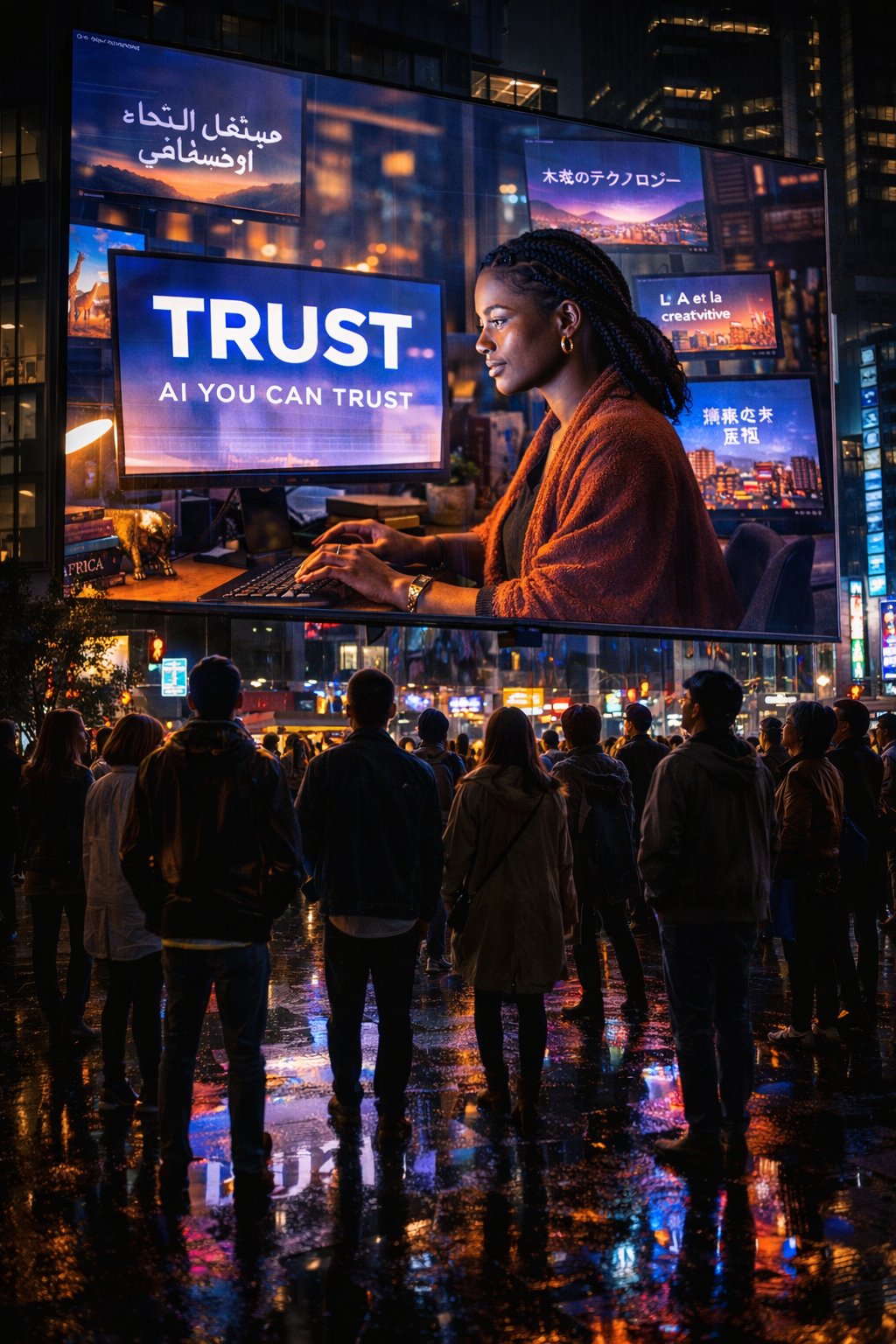
AI agents now sit behind many dashboards, optimising campaigns in real time, testing hundreds of creative variations, segmenting audiences, and nudging budgets from one channel to another with minimal human intervention. At the same time, the platforms that run these agents are spending heavily on brand campaigns—up to and including Super Bowl‑level media—to overcome a growing trust deficit. The irony is striking: human creatives are making ads to convince audiences that automated systems can be trusted with those same audiences’ attention.
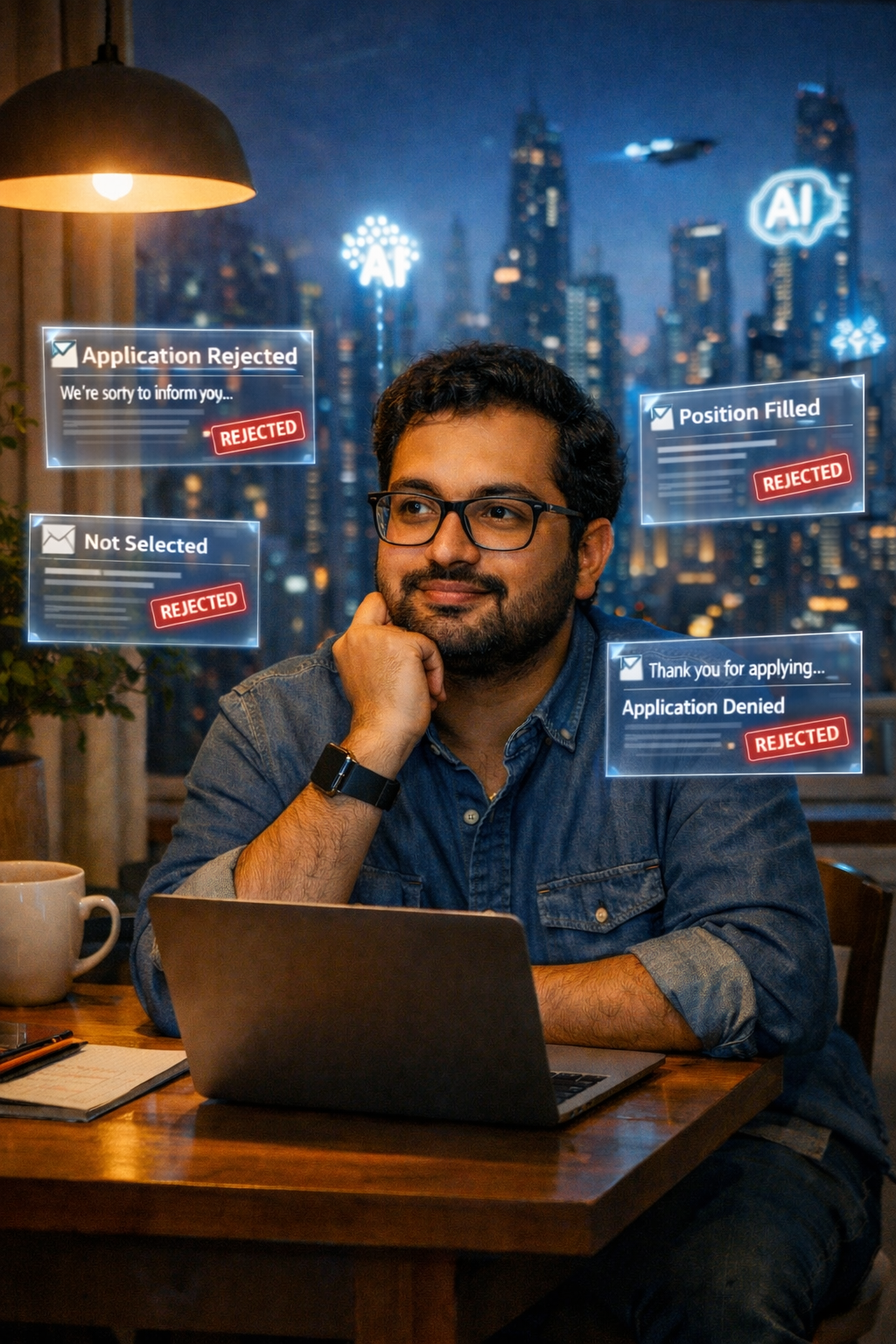
Beneath the upbeat talk of “productivity gains”, there is a quieter story about underemployment. Across markets, overall hiring is softening even as job postings that mention AI skills surge, growing faster than the total job pool. That demand is concentrated in a narrow band of hybrid roles—where traditional expertise meets AI fluency—leaving a wide middle of marketers, communicators, and content professionals in limbo. A copywriter who cannot yet turn prompts into integrated campaigns, or a brand manager who does not know how to brief an AI system with the same clarity as an agency, risks becoming invisible even as their workload feels more scattered and transactional.
“AI is only as powerful as the questions we ask it; in brand management and leadership, the real skill now is creative prompting—translating instincts, market nuance, and ambition into instructions a machine can amplify.”
The creative industry has become the most visible testing ground for these tensions. Major brands now use generative tools from storyboard to final cut, with a significant portion of flagship campaigns expected to involve AI somewhere in the process. Parallel to this, AI companies themselves are investing in big, emotional brand films to distance their products from “AI slop”, deepfakes, and the sense that everything online is becoming indistinguishable. On one side we see high‑budget experiments in automated creativity and hyper‑personalised journeys; on the other we see audiences increasingly unsure what is real, who is accountable, and whose job was displaced in the making of the campaign.
Between these poles lies the “invisible middle”: diaspora professionals, independent consultants, mid‑career marketers, and underemployed graduates. They rarely feature in keynote slides or policy papers, yet they are the ones most urgently renegotiating their relationship with work. For many of them, the most pragmatic response is emerging not from fear of AI, but from treating it as a new instrument that demands a new craft. In this context, the prompt is becoming a form of authorship. Like the shift from film to digital photography, AI did not erase the need for skill; it changed where that skill sits. The most effective practitioners no longer ask AI to “do the work” in one shot. Instead, they orchestrate it in stages: first using it to widen research, then to sharpen insight, then to explore narrative angles, and finally to polish execution. They fuse their human field knowledge—of markets, culture, language, and lived experience—with the speed and scale of AI to test more ideas in a day than a traditional team might manage in a week.
For diaspora professionals, this hybrid craft is a quiet superpower. They can brief AI with cultural intelligence, local anecdotes, and multilingual nuance that generic systems simply do not possess. They can ask questions the model would never think of, and reject outputs that “technically work” but fail the community sniff test. In classrooms, small businesses, consultancies, and side‑hustles, this looks like teachers becoming prompt‑designers for lesson plans, marketers moonlighting as AI‑assisted scriptwriters, and young graduates using free tools to build portfolios that cross borders. The language of “copilots” and “assistants” risks smoothing over a harsher reality: when AI‑tagged roles grow and mid‑level positions quietly vanish, we are not experiencing a gentle evolution of work but a renegotiation of who gets to feel secure and “employable”. Yet this is also where journalism—and especially diaspora journalism—can play a crucial role. It can move beyond breathless coverage of new tools and glossy demos to document the working days of people learning to survive and thrive in this in‑between era.
“As future marketing shifts towards those who can converse fluently with machines, journalism—and especially diaspora journalism—has a responsibility to make that conversation visible, legible, and human. The story is not simply that AI is coming for our jobs; it is that a generation of skilled but under‑recognised workers is already teaching AI how to speak, sell, and storytell on our behalf. ‘AI is only as powerful as the questions we ask it; in brand management and leadership, the real skill now is creative prompting—translating instincts, market nuance, and ambition into instructions a machine can amplify,’ says an AI expert. The real question is whether we are willing to give them credit—and fair opportunity—for it.”