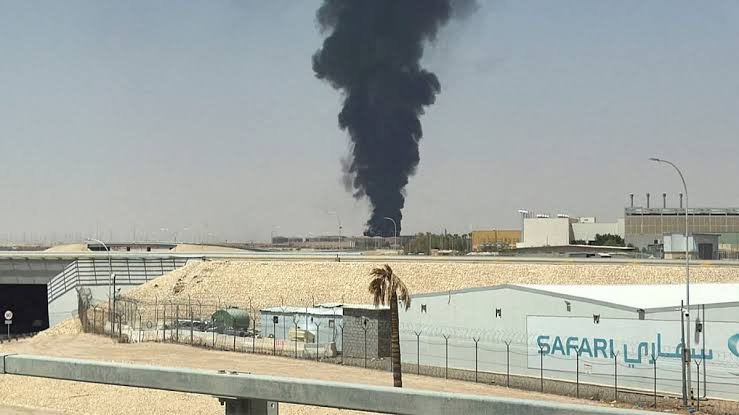

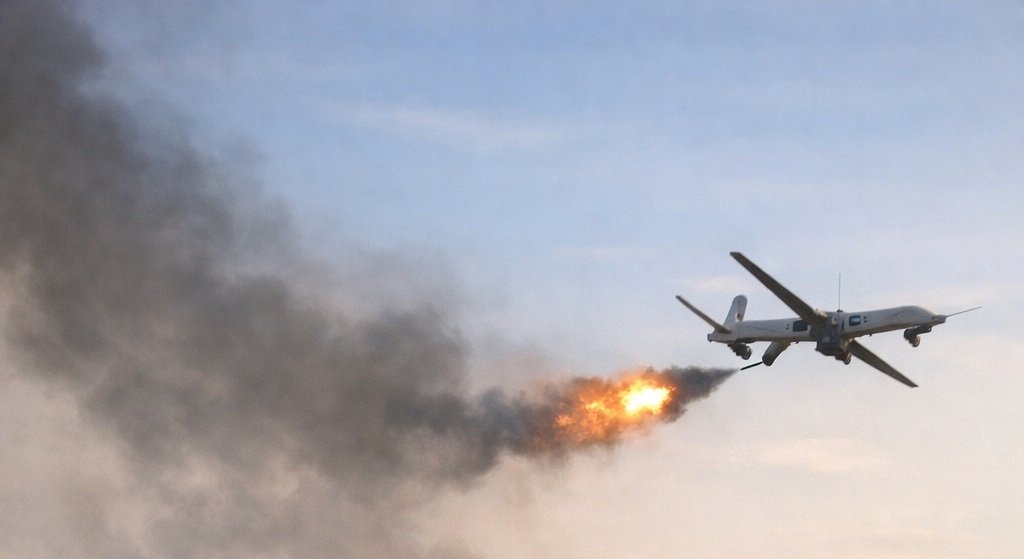
The recent strike in Al-Kharj highlights the growing risk as tensions continue to escalate across the region
A military projectile struck a residential neighbourhood in Al-Kharj, Saudi Arabia, on Sunday, killing two people and injuring several others, according to the Saudi Civil Defence. The victims were identified as an Indian citizen and a Bangladeshi national. Authorities said at least twelve people were injured in the incident and were taken to nearby hospitals for treatment.
The strike came on the same day that Iran’s Revolutionary Guards claimed responsibility for attacks on radar installations in several locations, including Al-Kharj. The announcement raised concerns that the projectile may have been linked to the wider conflict currently unfolding across parts of West Asia.
* Tensions in the region have been rising since February 28, when fighting intensified following a joint military operation by Israel and the United States
* The operation was aimed at weakening Iran’s military and strategic capabilities
* In response, Iran launched a series of retaliatory strikes targeting Israeli positions as well as United States military assets in Gulf countries
Tehran has also reportedly carried out attacks on military bases, major cities in the Gulf region and several ships operating in nearby waters. These developments have increased fears that the conflict could expand further and affect civilian areas.
The impact of the violence has been felt by several countries whose citizens live and work across the Gulf. India’s Ministry of External Affairs said on March 3 that some Indian nationals have died in incidents linked to the ongoing conflict, while others are still reported missing.
Meanwhile, India’s Directorate General of Shipping confirmed that three Indian seafarers working on foreign-flagged vessels were killed during the unrest. Another Indian sailor was injured in the same period.