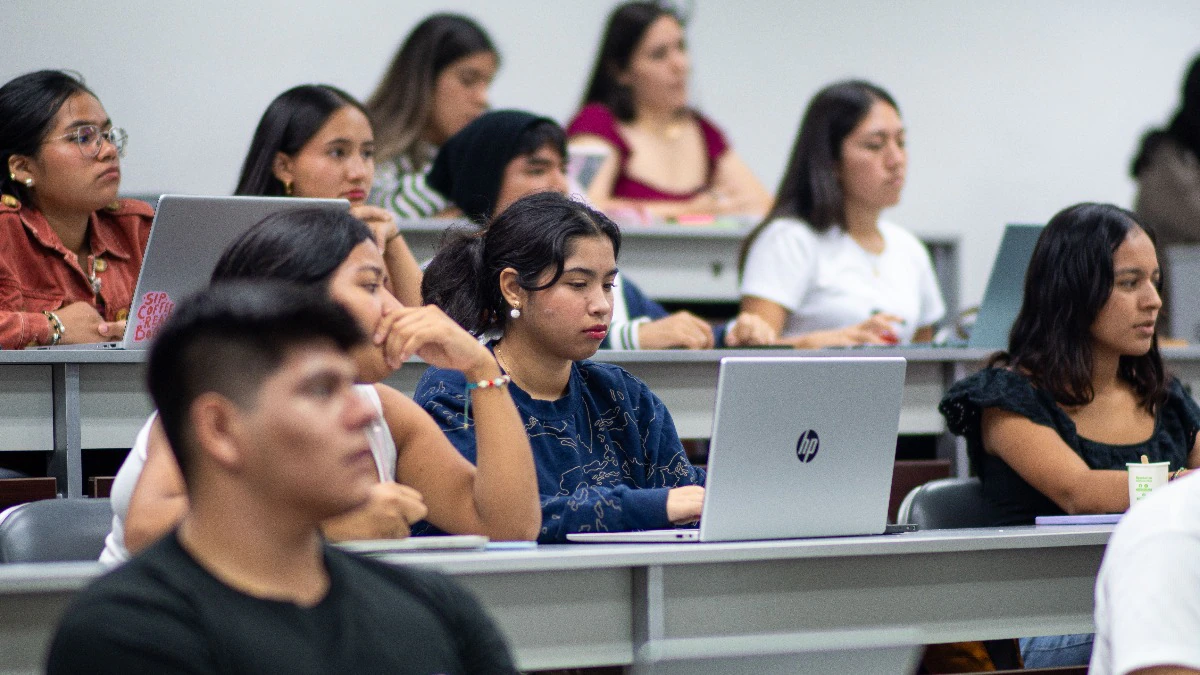


The policy shift reflects broader challenges in balancing international education demand with domestic capacity constraints
Canada’s decision to enforce stricter caps on international student permits is prompting a major reassessment among Indian applicants, who make up one of the largest student groups in the country. Over the past 24 hours, education consultants have reported a surge in inquiries as prospective students seek clarity on eligibility and future pathways.
The new caps are part of a broader policy aimed at addressing housing shortages and infrastructure strain in key cities. However, stakeholders warn that the measures may disrupt long-term planning for students who rely on Canada’s education system as a gateway to employment and permanent residency.
Indian students are particularly affected, as many choose Canada for its structured post-graduation work permit (PGWP) pathways and relatively predictable immigration system. With caps now in place, competition for limited permits is expected to intensify.
-
Universities are responding by enhancing communication with applicants and offering alternative options, including deferred admissions and partnerships with institutions in less crowded regions
-
Some are also expanding support services to help students navigate the changing policy environment
Experts note that while Canada remains an attractive destination, policy consistency is critical to maintaining confidence among international applicants. Frequent changes can create uncertainty and influence students to explore other countries.
For Indian students, the development highlights the importance of flexibility and early planning. Many are now considering diversified options while awaiting further clarity.