

Proposed four-year cap on student visas raises concerns over longer academic programmes and research continuity
A leading Indian diaspora policy organisation has warned that a new United States rule limiting the duration of international student visas to four years could disrupt higher education, research projects and innovation, particularly for Indian students enrolled in longer academic programmes.
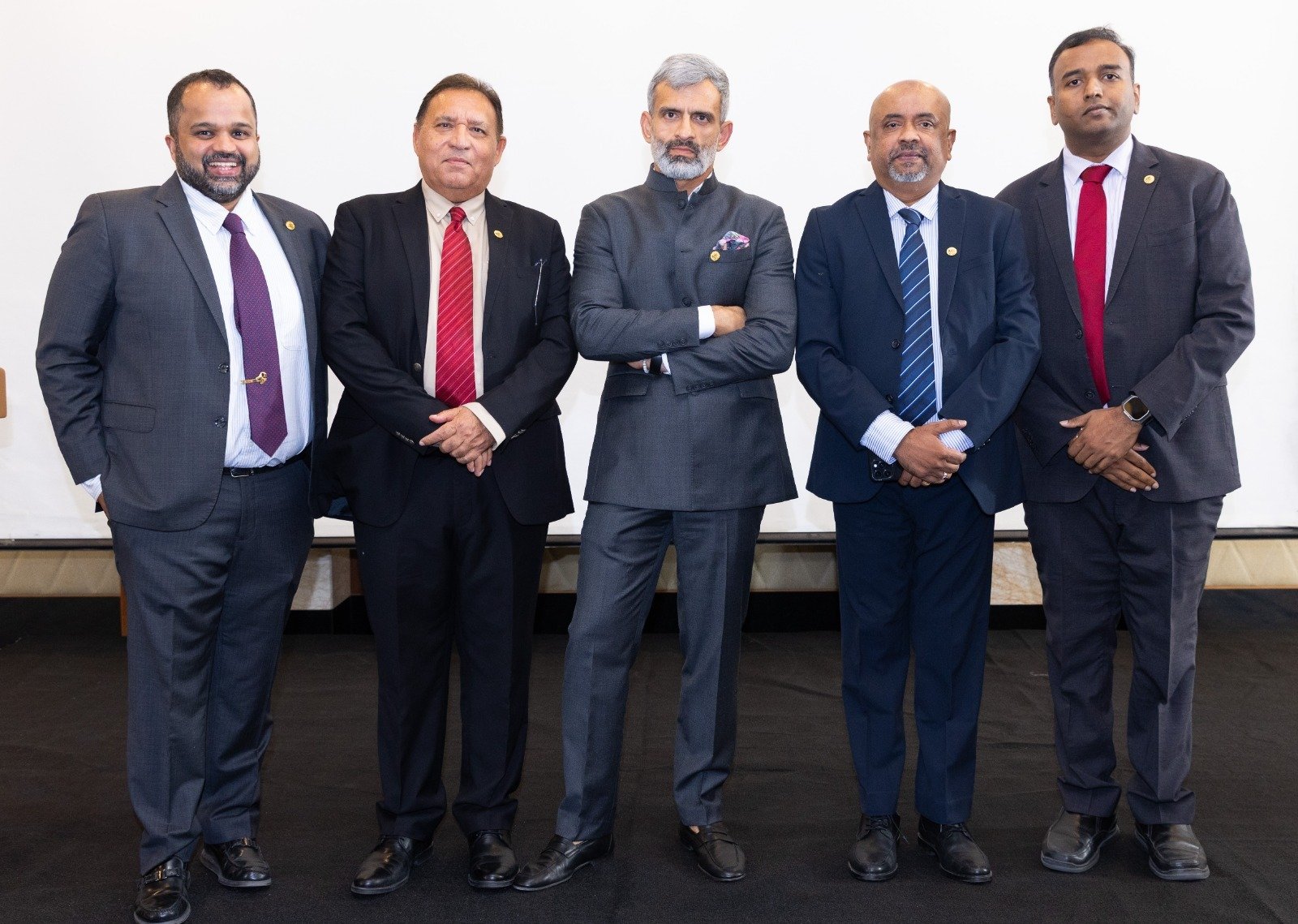
The Foundation for India and Indian Diaspora Studies (FIIDS) has urged US lawmakers and immigration authorities to delay implementation of the Department of Homeland Security’s new regulation, which is expected to take effect in September. The rule replaces the long-standing “duration of status” system with a fixed four-year limit for F-1 student visas and J-1 exchange visitor visas.
-
Under the new framework, Optional Practical Training (OPT) and STEM OPT periods will count towards the four-year limit
-
The regulation also reduces the post-study grace period from 60 days to 30 days and requires students seeking additional time to obtain approval through Form I-539 from US Citizenship and Immigration Services
FIIDS argued that the changes do not reflect the realities of higher education, noting that many bachelor’s degrees take more than four years to complete, while doctoral, medical and research programmes often extend well beyond that period. The organisation warned that uncertainty over visa extensions could interrupt research, delay graduations and affect universities’ ability to attract and retain international talent.
The group has called for automatic extensions for students in good academic standing, the exclusion of OPT from the four-year calculation, quicker processing of extension applications and the restoration of the 60-day grace period. It has also proposed exemptions for graduate and STEM programmes that typically require more than 48 months to complete.
The Department of Homeland Security has defended the policy as part of broader efforts to strengthen oversight of international student visas. However, education leaders and immigration experts have expressed concerns that the changes could discourage global talent from choosing the United States as a study destination and weaken the country’s research and innovation ecosystem.