
Rising support for the anti-immigration party is causing concern among Indian professionals and students as Germany seeks to attract more skilled workers
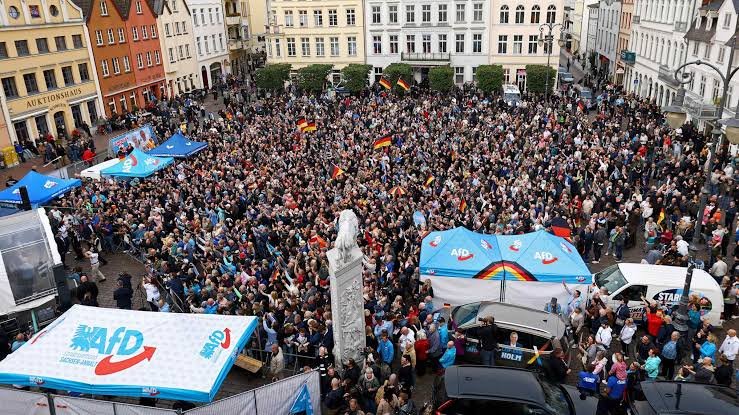
Indian professionals and students living in Germany are increasingly concerned about the political rise of the Alternative for Germany (AfD), an anti-immigration party that has made significant gains in a series of state elections this month.
The developments have created unease among parts of Germany’s Indian community, particularly as the country continues to rely on foreign workers to address labour shortages. Germany has sought to attract about 90,000 skilled workers from India annually since 2023. By the end of 2025, around 311,000 Indians were living in Germany, making them the country’s fastest-growing foreign skilled-worker community, according to figures cited by Nikkei Asia.
The AfD has called for tighter immigration controls and promoted the concept of “remigration”, while its policy programme seeks to restrict some skilled migration routes. The party’s growing electoral support has therefore raised questions among immigrants about their long-term prospects and sense of belonging.
-
The AfD secured 43.8 per cent of the vote in Saxony-Anhalt earlier this month, its strongest result in a German state election
-
It subsequently recorded substantial gains in Berlin and Mecklenburg-Western Pomerania, while also increasing its support in western Germany
Some Indians interviewed by Nikkei said they remained comfortable with their lives in Germany but were worried that increasingly hostile political rhetoric could contribute to discrimination or hate crimes. Others said voters’ concerns over immigration and economic pressures should not simply be dismissed.
Germany recorded a record 85,837 politically motivated crimes and hate-related offences last year, with right-wing extremism and xenophobia among the drivers, although attacks specifically targeting Indians remain relatively rare.
The political shift presents a complex backdrop for India-Germany migration ties: Germany needs skilled foreign workers, while sections of its electorate are increasingly supporting parties advocating tighter immigration policies.