
Missile attacks on vessels in the Strait of Hormuz intensify regional tensions as Gulf states activate emergency measures
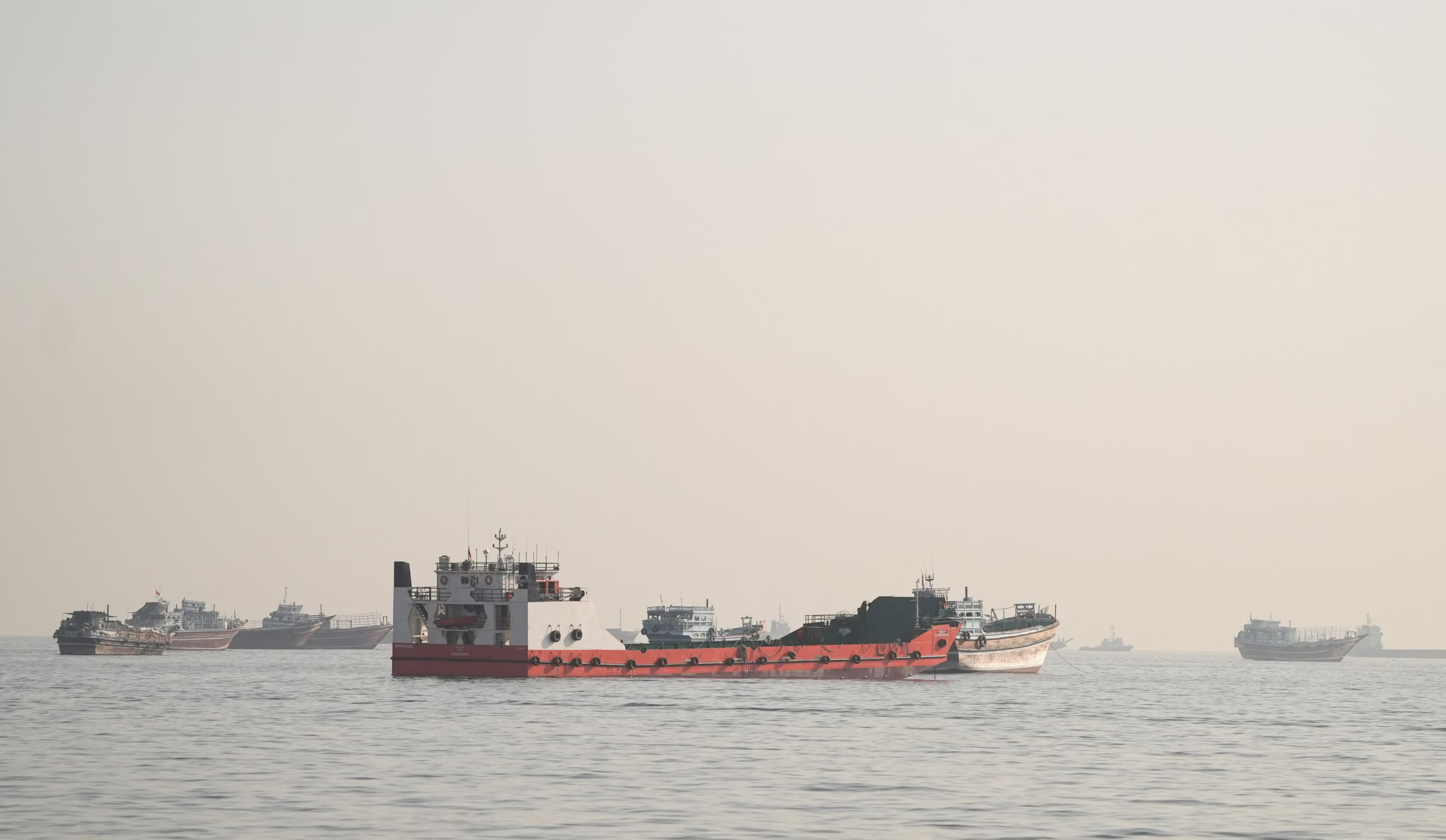
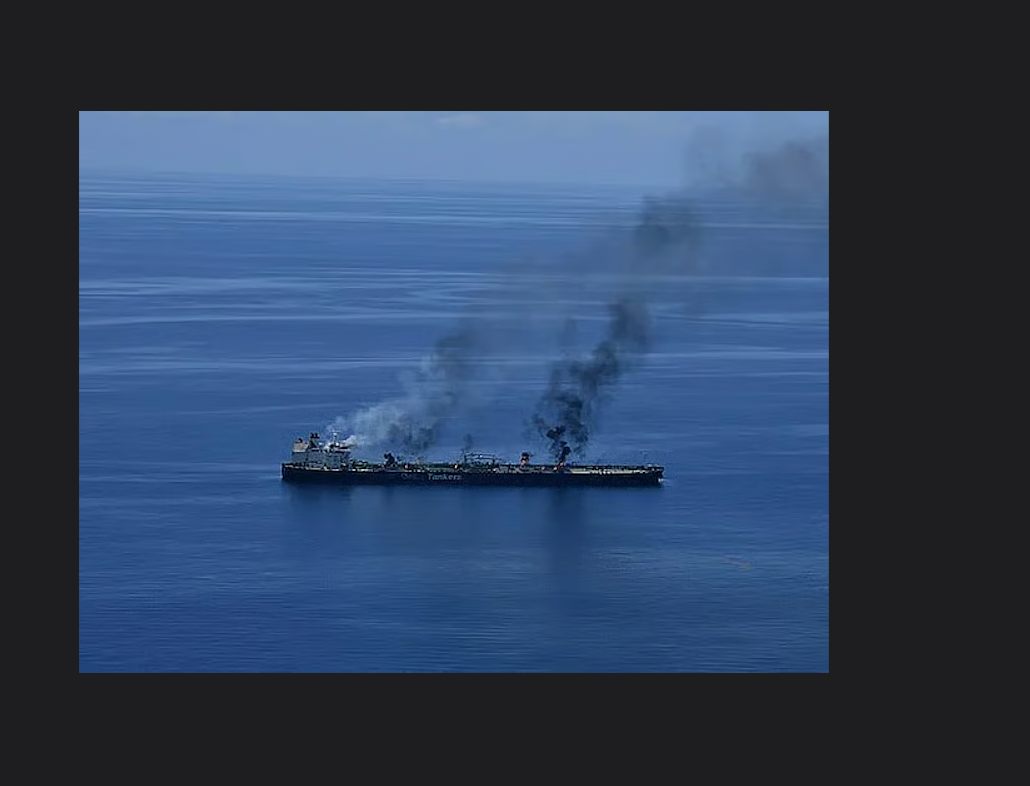
An Indian national has been killed and eight other crew members injured after Iranian cruise missiles struck two Emirati oil tankers transiting the Strait of Hormuz, marking a sharp escalation in the renewed conflict between the United States and Iran. The incident has heightened security concerns across the Gulf and raised fears over the safety of one of the world’s most important shipping routes.
According to the United Arab Emirates Ministry of Defence, the vessels — Mombasa and Al Bahiyah — were hit while passing through the strategic waterway. Authorities confirmed the death of the Indian crew member and said eight others were injured. The ministry condemned the attack and said an appropriate response would follow.
-
Iran claimed the tankers had ignored prior warnings before entering the area, a justification rejected by regional governments
-
The attack came as Washington and Tehran exchanged fresh military strikes, signalling the collapse of recent efforts to ease tensions and increasing the risk of a broader regional conflict
Air raid sirens sounded across Bahrain as authorities activated emergency protocols following reports of missile activity. Several Gulf countries have stepped up security measures amid concerns that further attacks could target critical infrastructure and commercial shipping.
The latest escalation has also rattled financial markets. Oil prices rose on concerns over potential disruptions to energy supplies through the Strait of Hormuz, a vital maritime corridor that carries a significant share of global crude exports. Shipping activity through the strait has already declined as operators reassess security risks.
Governments across the region are closely monitoring developments, while international observers have renewed calls for restraint to prevent the conflict from widening further and threatening regional stability and global energy security.