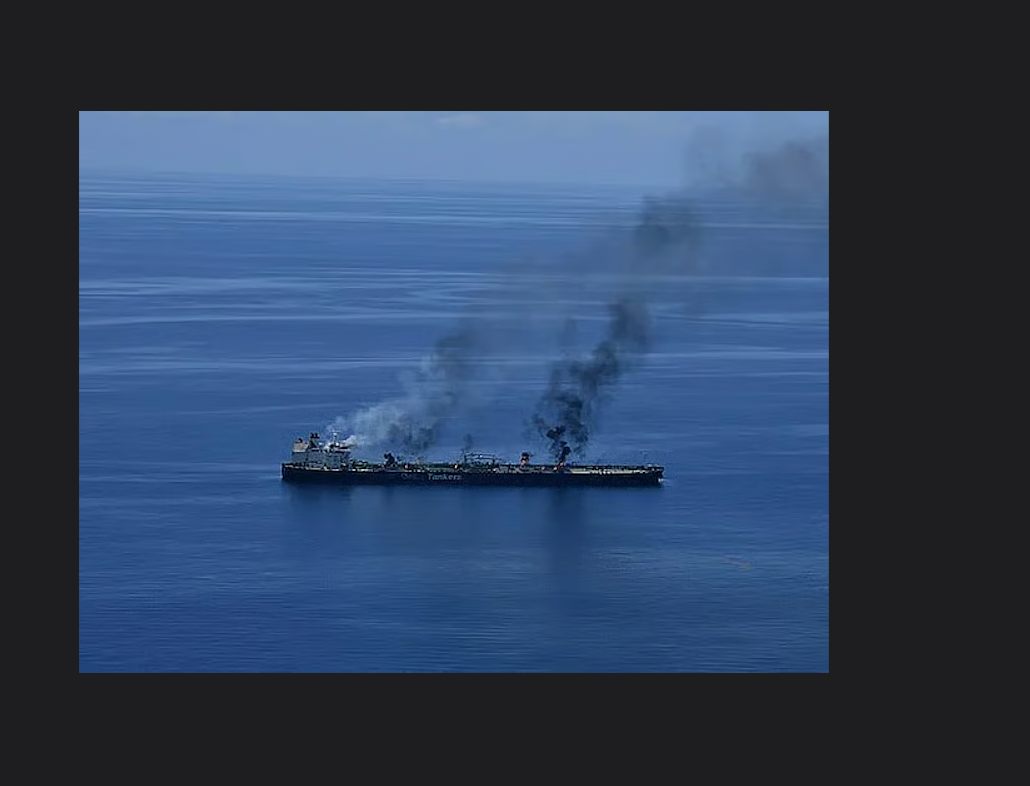

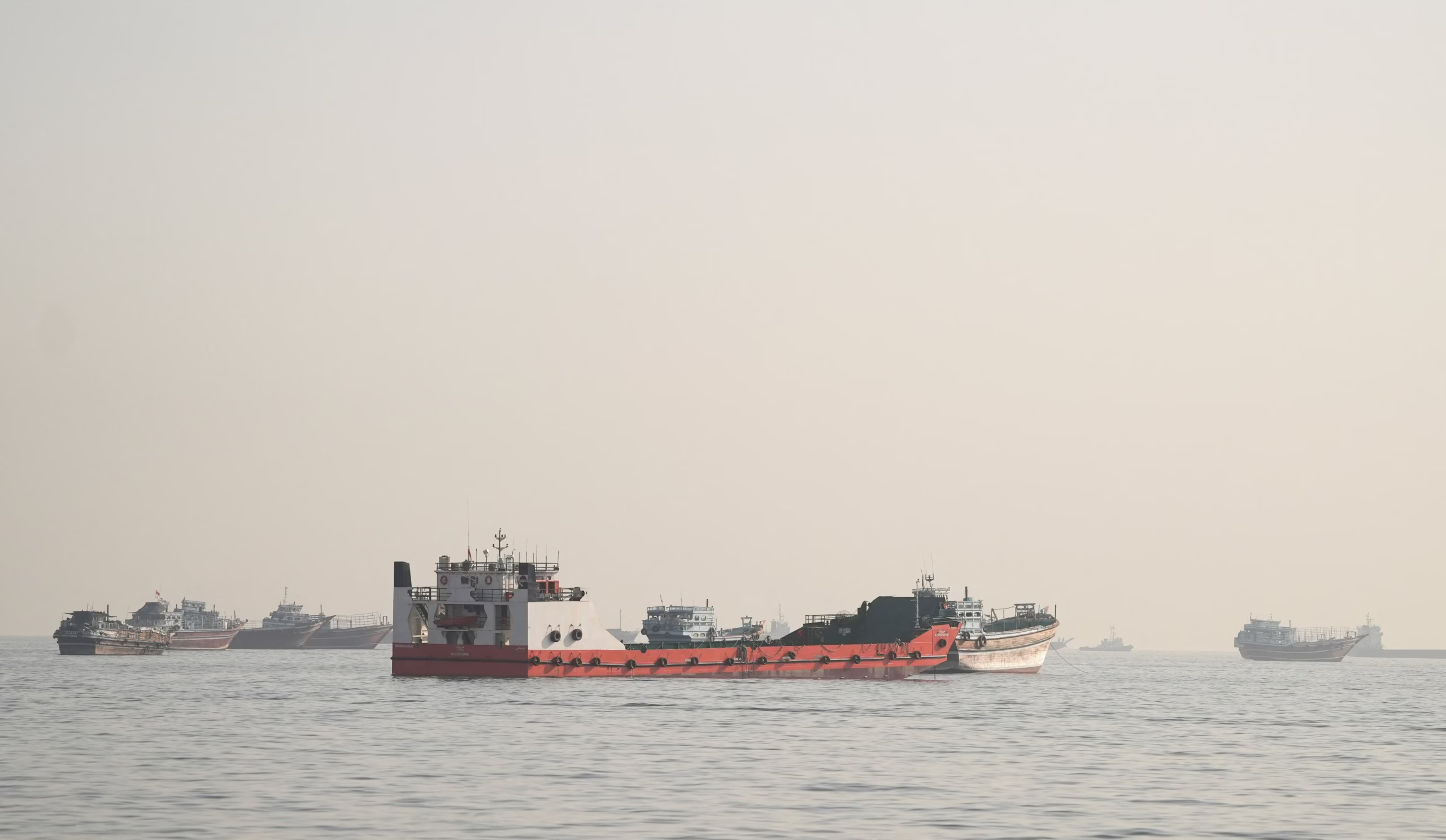
Critical oil transit route faces renewed pressure, with implications for global energy markets and India’s imports
The Strait of Hormuz, one of the world’s most strategically important maritime corridors, has once again come under the spotlight as renewed tensions between the United States and Iran disrupt commercial shipping and push up global oil prices.
Located between Iran and Oman, the narrow waterway connects the Persian Gulf with the Gulf of Oman and the Arabian Sea. Around one-fifth of the world’s oil and a significant share of liquefied natural gas (LNG) exports normally pass through the strait, making it vital to global energy security. Recent security concerns have led to a sharp decline in vessel movements, with shipping companies reassessing routes and insurers raising risk premiums.
The latest tensions have increased fears of supply disruptions, causing crude oil prices to climb and raising concerns over inflation and fuel costs worldwide. Analysts warn that any prolonged interruption could affect energy-importing nations, including India, which depends heavily on crude oil from Gulf producers such as Saudi Arabia, Iraq, the United Arab Emirates and Kuwait.
-
Although alternative pipelines and export routes exist in parts of the Gulf, they are insufficient to replace the volumes that normally transit through the Strait of Hormuz
-
Industry experts say the waterway remains indispensable for global energy trade despite ongoing efforts to diversify transport infrastructure
The renewed uncertainty has also prompted shipping firms to review operational plans, while governments and international organisations continue to monitor the security situation closely. Maritime analysts note that even without a complete closure, reduced traffic and higher insurance costs can significantly increase transportation expenses, ultimately affecting global fuel prices and supply chains.
For India, the developments underline the importance of securing energy supplies, expanding strategic petroleum reserves and diversifying crude import sources to reduce vulnerability to geopolitical shocks in the Gulf region.