

Migration specialists believe Canada will continue tightening compliance systems while attempting to maintain its reputation as a welcoming destination for high-quality international students and skilled migrants in strategically important sectors
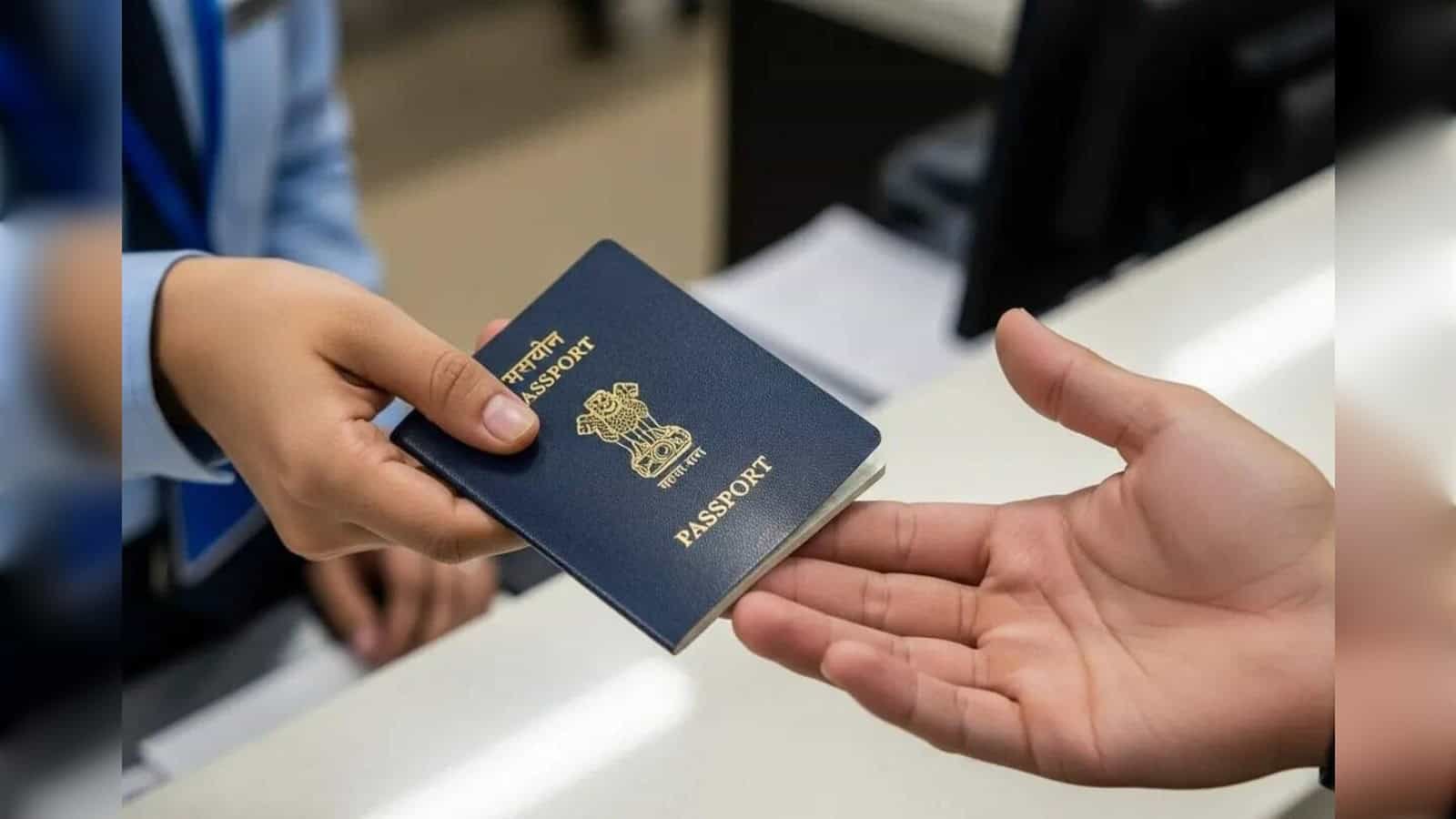
Canadian universities and immigration advisers are continuing to confront the impact of stricter study permit screening measures affecting Indian applicants as concerns over document fraud and temporary migration controls remain central to policy discussions during the past 24 hours.
Indian students have historically formed Canada’s largest international student population, particularly across Ontario, British Columbia, and Alberta. However, tougher compliance reviews and expanded fraud detection systems introduced after multiple fake admission-letter scandals have significantly altered approval patterns and application behaviour.
-
Immigration consultants stated that financial verification, academic credibility assessments, and institutional scrutiny have all intensified over the past year
-
Several colleges and universities dependent on international enrolment revenue are reportedly facing financial pressure because of declining student intake from India
Education analysts observed that Canada’s approach reflects broader political efforts to control housing pressures, infrastructure strain, and temporary migration growth while still preserving pathways for highly skilled international talent. Policy experts noted that balancing immigration integrity with economic dependence on foreign students has become increasingly difficult for Canadian authorities.
Indian applicants and families have also become more cautious regarding overseas education loans and relocation decisions because of uncertainty surrounding permit approvals, employment opportunities, and future residency prospects.
Several Canadian institutions are reportedly diversifying recruitment strategies toward other international markets while simultaneously attempting to reassure Indian applicants regarding legitimate educational pathways.
Diaspora organisations in Toronto and Vancouver stated that misinformation and fraudulent consulting networks continue damaging trust in the immigration process. Community leaders called for stronger regulation of overseas recruitment agents and greater transparency in admission procedures.