
Diaspora leaders seek structured governance and stronger institutional support for overseas Kannadigas
The long-standing demand for a dedicated ministry to address the concerns of non-resident Indians (NRIs) and overseas Kannadigas has gained renewed momentum following recent political developments in Karnataka.
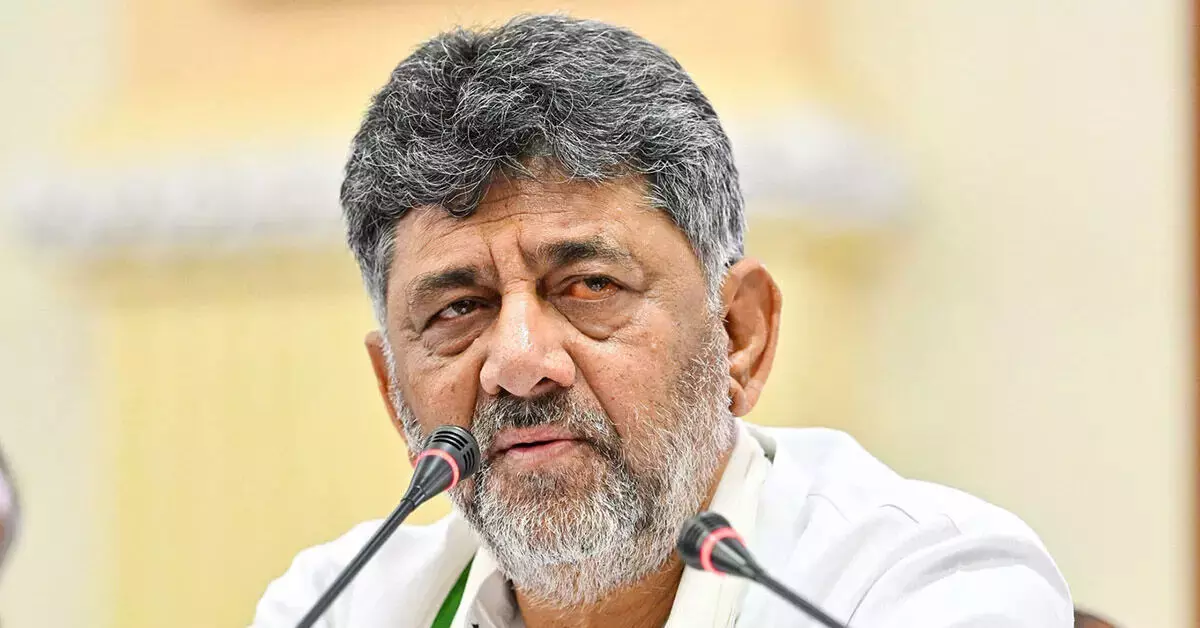
On Tuesday, NRI philanthropist Ronald Colaco and Dr Arathi Krishna, Member of the Legislative Council (MLC), AICC secretary in charge of the Indian Overseas Congress, and vice-chairperson of the foreign affairs department, met Karnataka Chief Minister D.K. Shivakumar to discuss the proposed establishment of a Non-Resident Kannadigas Secretariat.
During the meeting, the delegation sought clarification regarding the chief minister’s recent announcement on creating a dedicated framework for overseas Kannadigas. According to those present, Shivakumar indicated that a Non-Resident Kannadigas Ministry would initially be established under the direct supervision of the chief minister. The ministry would be supported by an administrative secretariat, relevant departments and a dedicated budget allocation.
The chief minister reportedly stated that the ministry could later be assigned to a suitable minister or authority as deemed appropriate
A detailed proposal outlining the structure and objectives of the initiative was presented during the discussions by L.K. Atheeq, financial adviser and chairman of the Business Corridor. Colaco and Dr Krishna also urged the government to consult stakeholders before finalising the ministry’s objectives, departmental framework and policy direction. The chief minister is understood to have agreed to consider these recommendations.
Speaking after the meeting, Colaco said that while engagement with overseas Indians has improved in recent years, the absence of an independent institution focused exclusively on NRI affairs has resulted in unresolved issues and fragmented policy implementation.
He highlighted the significant economic and strategic contributions of the Indian diaspora, including remittances, investment opportunities and international influence. Colaco argued that a specialised governance mechanism would improve accountability and enable faster responses to concerns raised by overseas communities.
The proposal is expected to be closely watched by diaspora groups, who have long advocated for a dedicated platform to strengthen engagement between Karnataka and its global community.