

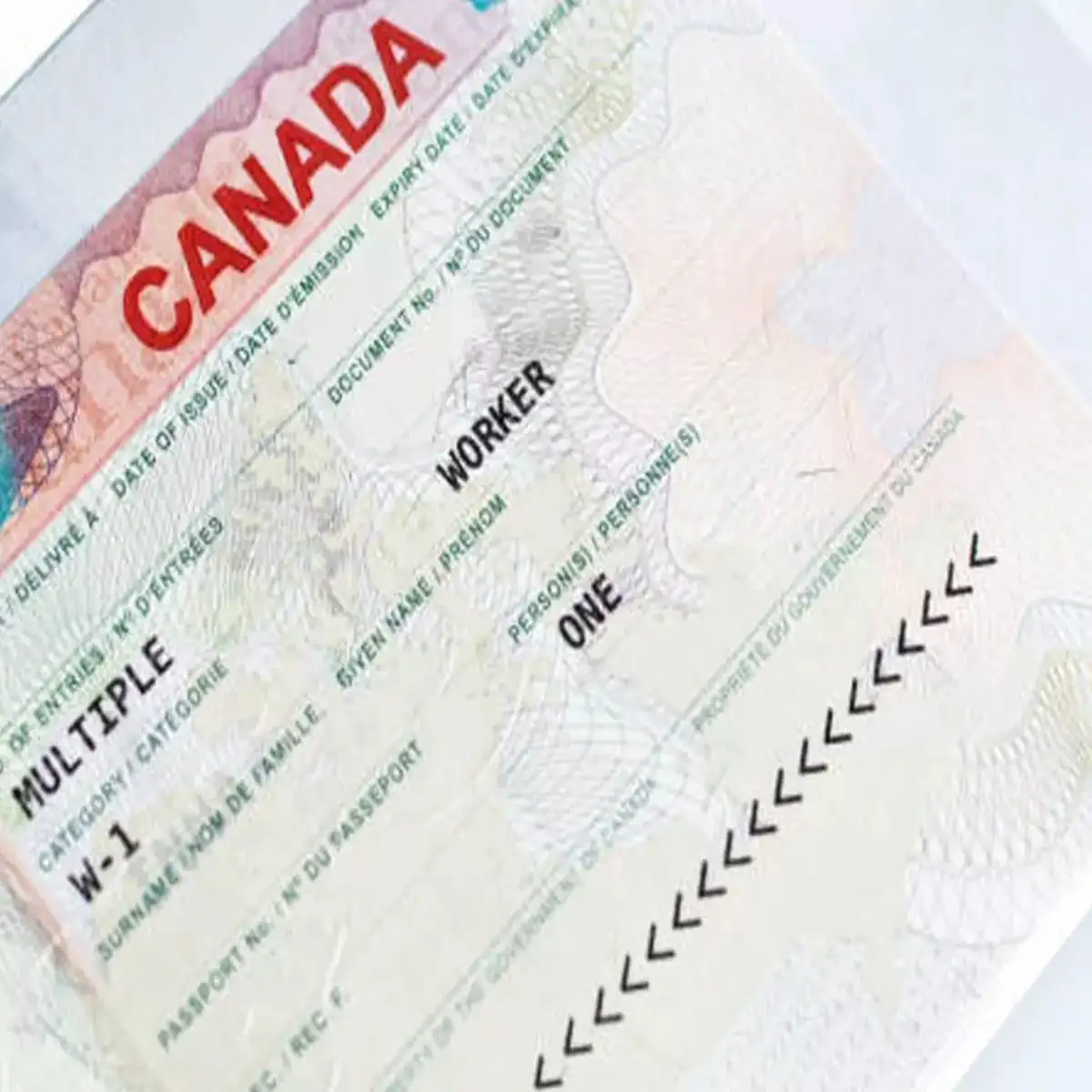
IRCC reiterates employment regulations, warning that unauthorised work could lead to removal, re-entry bans and future visa complications
Canada has issued a fresh advisory reminding international students to strictly comply with the country’s work permit regulations, following concerns over the rejection of post-graduation work permits (PGWPs) for a number of Indian students.
The advisory from Immigration, Refugees and Citizenship Canada (IRCC) comes after reports that several graduates, including many from India, were denied PGWPs because the programmes they completed were later found to be ineligible under immigration rules. The issue has prompted protests by affected students and renewed attention on Canada’s international education policies.
In its latest guidance, IRCC warned that working in Canada without proper authorisation could result in serious immigration consequences. These include removal from the country, a five-year ban on re-entering Canada and a permanent fraud notation on an individual’s immigration record. Authorities also cautioned that unauthorised employment could negatively affect future visa, study permit and permanent residence applications while increasing the risk of labour exploitation.
-
The IRCC stressed that most foreign nationals require a valid work permit before taking up employment
-
It clarified that holding a visitor visa or an Electronic Travel Authorization (eTA) does not automatically grant the right to work, and that most visitors cannot apply for a work permit from within Canada
IRCC also reminded international students that they may work only if their study permit specifically authorises employment. Eligible students are permitted to work off campus for up to 24 hours a week while classes are in session, with stricter compliance expected under updated immigration guidance. Exceeding the permitted work limit could affect their legal status and future immigration prospects.
The agency further advised students to remain alert to immigration fraud, warning against offers of guaranteed jobs, promises of permanent residence, requests for money through social media or claims that employment can continue after a permit expires. Officials urged international students to verify immigration information through official government channels before making education or employment decisions.