

For Indian students, the changes underscore the need for meticulous preparation and alignment between academic plans and long-term career goals. The policy is likely to reshape student mobility patterns in the coming months
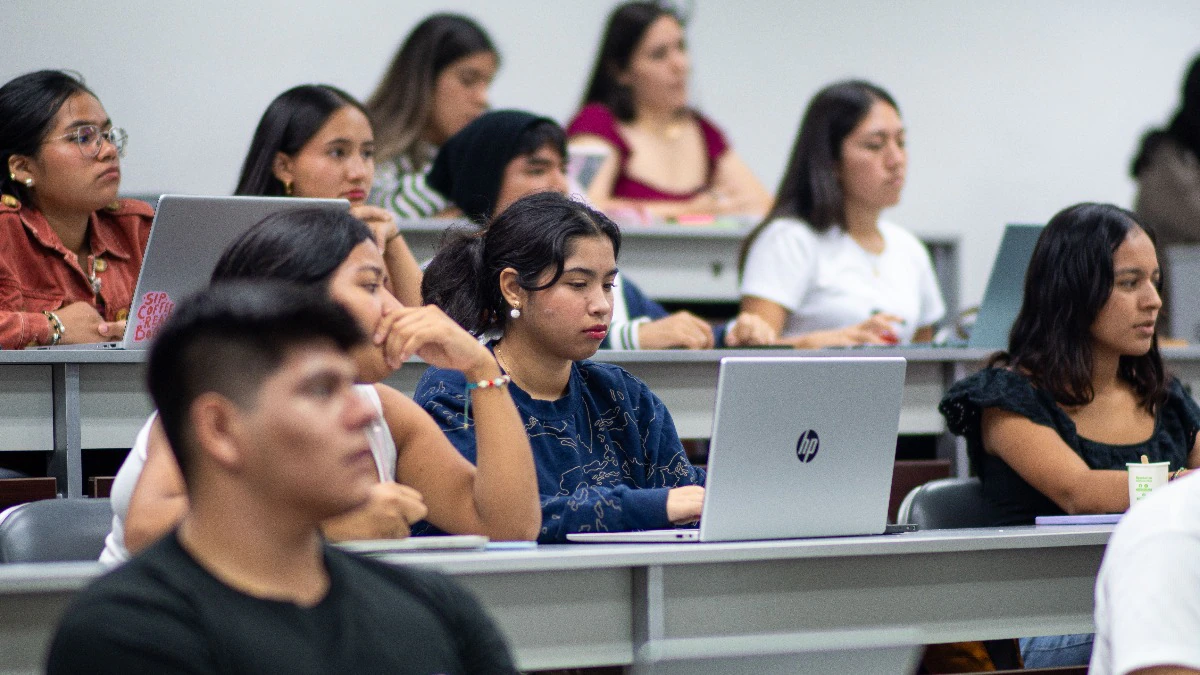
Australia’s revised student visa integrity framework is beginning to significantly impact Indian applicants, with education consultants reporting a noticeable rise in rejection rates under the updated Genuine Student (GS) assessment criteria. The changes are part of Canberra’s broader effort to curb misuse of student visas and ensure applicants have clear academic intent.
Under the new system, visa officers are conducting deeper evaluations of applicants’ educational background, course selection, financial capacity, and long-term career goals. Indian students—one of the largest international cohorts in Australia—are facing increased scrutiny due to past concerns about visa misuse through low-quality institutions.
-
Applicants are now required to provide detailed statements explaining how their chosen course aligns with career aspirations
-
Financial documentation is also being closely examined to ensure students can sustain themselves without relying excessively on part-time work.
Education providers are responding by tightening admission processes and offering pre-application counselling to improve visa success rates. However, the subjective nature of the GS assessment has introduced uncertainty, making outcomes less predictable.
Experts warn that while the policy aims to protect the integrity of the education system, it could discourage genuine students if rejection rates remain high. Some Indian applicants are already exploring alternative destinations with more transparent visa processes.