
Import duty cuts under the new free trade agreement are expected to reduce retail prices gradually from 15 July
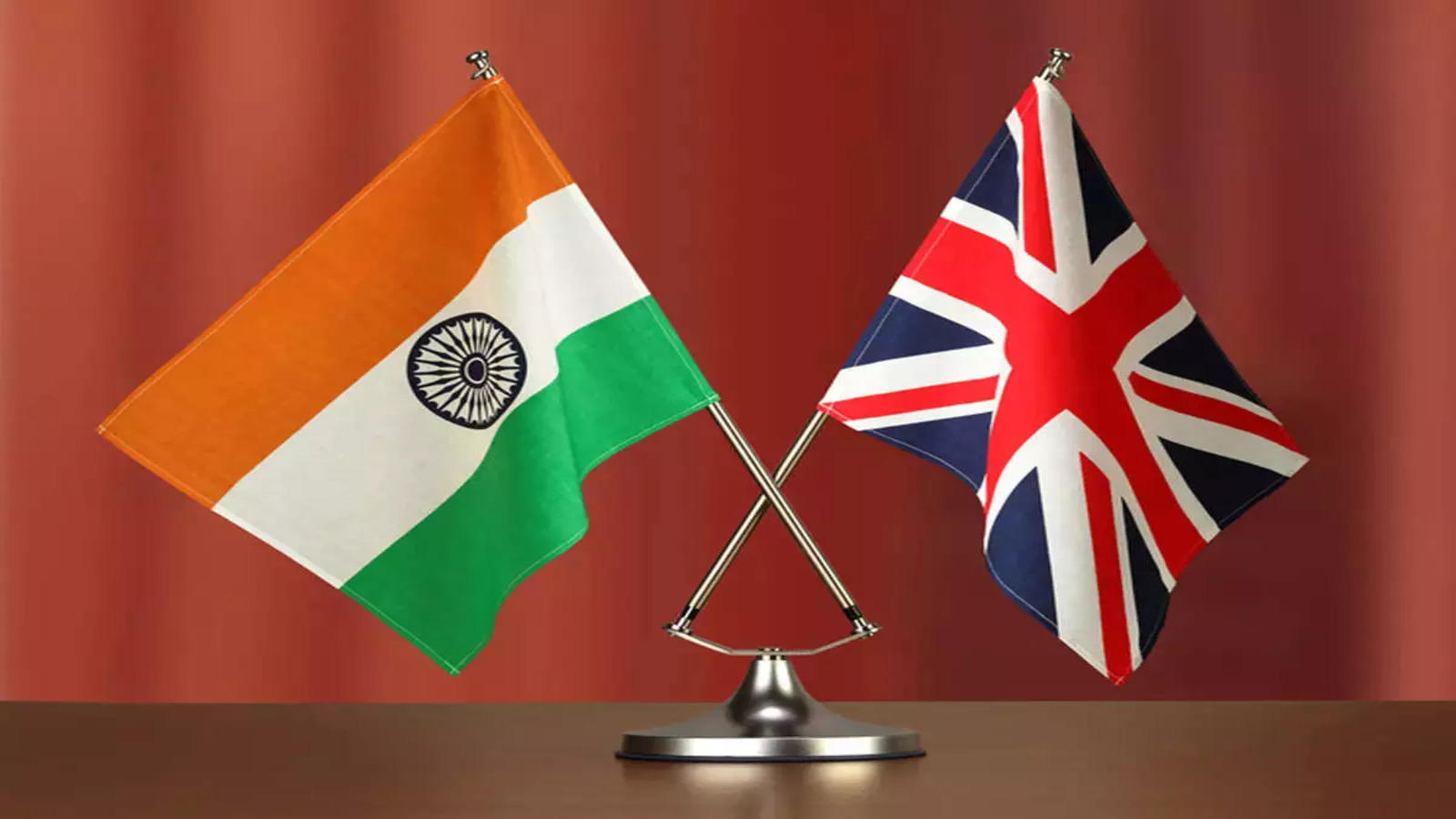
Imported Scotch whisky is expected to become more affordable for Indian consumers after the India-UK Free Trade Agreement (FTA) comes into force on 15 July, with industry experts estimating an initial retail price reduction of around 5–10%.
Under the agreement, India will reduce import duties on Scotch whisky and gin from the current 150% to 75% immediately, with tariffs set to decline further to 40% over the next decade. The move is aimed at strengthening bilateral trade while expanding consumer choice in India’s premium spirits market.
However, experts say the reduction in customs duty will not translate into an equivalent fall in retail prices. Import duty represents only one component of the final cost of a bottle, with state excise duties, value-added tax, logistics, distributor and retailer margins, packaging and marketing costs accounting for a significant share of the retail price.
As a result, the extent of price reductions is expected to differ across states. Consumers in states with relatively lower liquor taxes could see larger savings, while those in states with higher excise duties may experience more modest reductions. In some states where government agencies control liquor distribution, any benefit from lower import duties may take longer to reach consumers.
-
Industry observers believe bottled-in-origin Scotch whiskies—distilled, matured and bottled in Scotland before being imported into India—are likely to benefit the most
-
The lower tariffs may also encourage more international brands to enter the Indian market, increasing competition and broadening product choices for consumers
The India-UK FTA is expected to boost bilateral trade across multiple sectors beyond alcoholic beverages, including automobiles, textiles and professional services. While whisky drinkers may see gradual price reductions, the overall impact of the agreement will depend on how businesses pass on the benefits of lower tariffs and how state-level taxes evolve over time.