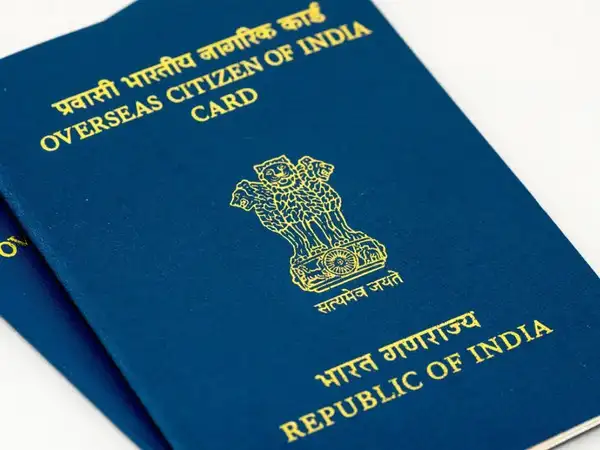

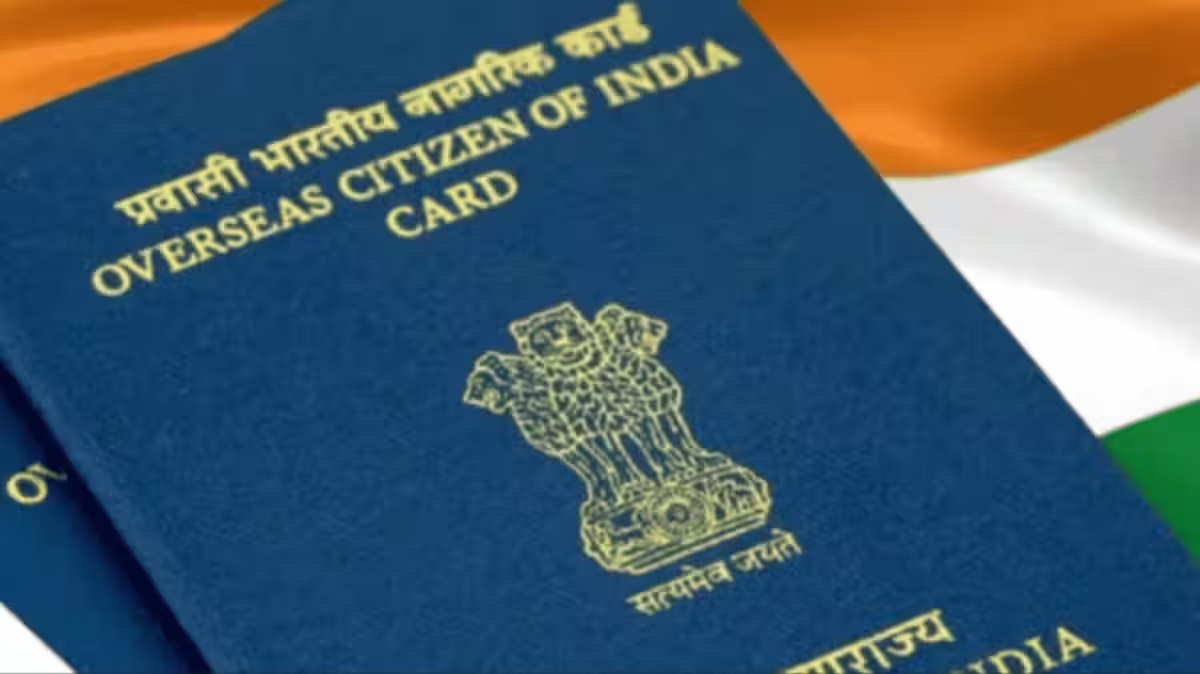
Experts warn that while the updated system offers faster access and clearer rules, it also leaves little room for error. Missing deadlines or failing to update records could result in fines, delays and reputational risks for companies managing international staff
PRAVASISAMWAD.COM
India has introduced its first major update to Overseas Citizen of India (OCI) rules in over ten years, bringing wider access alongside stricter compliance requirements. The new regulations came into force on 1 April 2026.
One of the most notable changes is the expansion of eligibility. Fifth- and sixth-generation descendants of Indian-origin Tamils in Sri Lanka, along with other stateless communities, can now apply for OCI status. This allows more people to benefit from lifelong, visa-free travel to India and the right to work there.
-
The government has also removed a long-standing six-month waiting period. Previously, long-term visa holders had to live in India for half a year before applying for OCI status
-
Now, new arrivals, including business executives and their families, can apply almost immediately. This is expected to reduce delays for international assignments and cut the need for temporary visa extensions
At the same time, compliance rules have become stricter. OCI card holders must upload details of any new passport within three months of issue or face a $25 administrative penalty. Immigration systems at airports are now linked to OCI records, meaning outdated passport information will lead to manual checks and possible delays.
The OCI database has also been connected to a wider government tracking platform, allowing authorities to monitor travel, length of stay and employment activity in real time. Businesses that regularly send staff to India are being advised to update their internal processes and ensure employees understand the new timelines.