

-
Indian graduates face stricter transition to employment
-
The policy adjustment reflects a broader global trend of tightening migration pathways while maintaining opportunities for high-skilled talent
Canada has introduced tighter regulations governing post-study work permits, a move expected to significantly impact Indian graduates, with the policy shift confirmed within the past 24 hours. The changes include stricter eligibility checks, enhanced compliance monitoring, and revised conditions for transitioning from study to employment.
Officials from Immigration, Refugees and Citizenship Canada stated that the new framework aims to ensure that international education pathways are aligned with labour market needs. “We are strengthening program integrity while maintaining opportunities for genuine students,” a government spokesperson said.
-
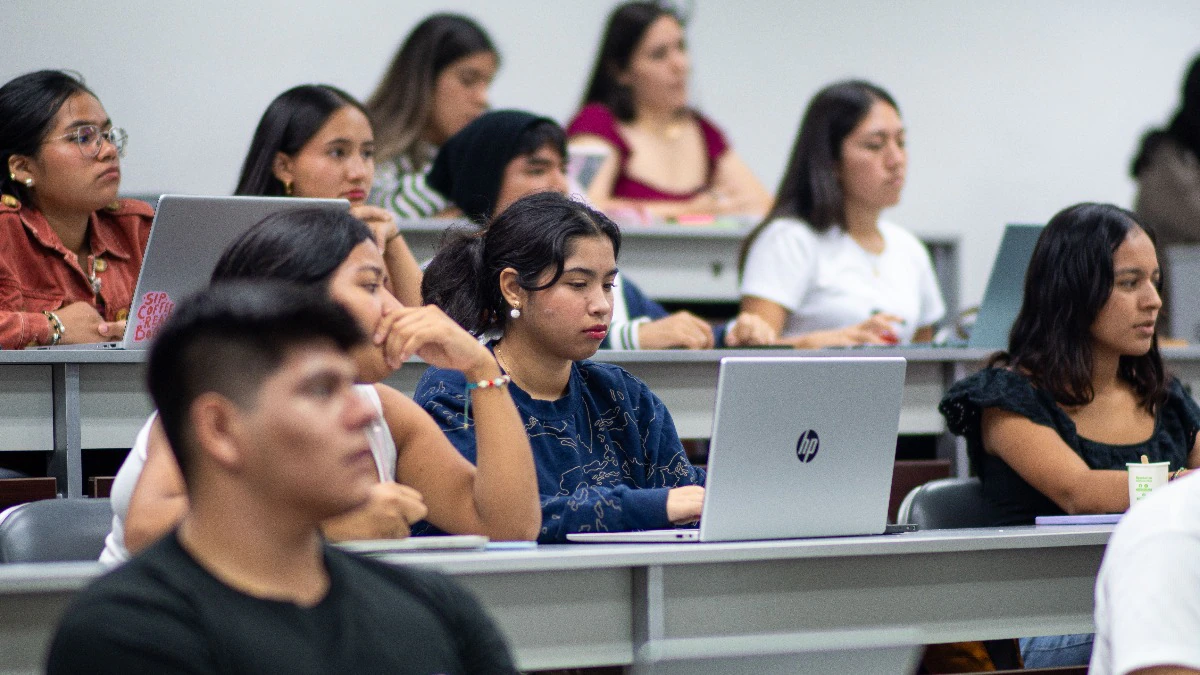
Indian students, who make up one of the largest cohorts of international learners in Canada, are closely watching the developments
-
Many rely on post-study work permits to gain employment experience and eventually transition to permanent residency
-
Student organisations have expressed concern that the tighter rules could disrupt career planning and financial stability
Universities and colleges have begun issuing updated guidance to help students navigate the changes. “Clarity is essential, especially for those nearing graduation,” an academic advisor noted. Some institutions are also expanding career support services to assist affected students.
Experts highlight that Canada is recalibrating its immigration and education policies in response to economic pressures and housing constraints. “Balancing student inflows with labour market realities is becoming a priority,” an analyst observed.
The Indian High Commission has acknowledged the changes and is monitoring their impact on the student community. Authorities have emphasised compliance and indicated that enforcement mechanisms will be strengthened.