

-
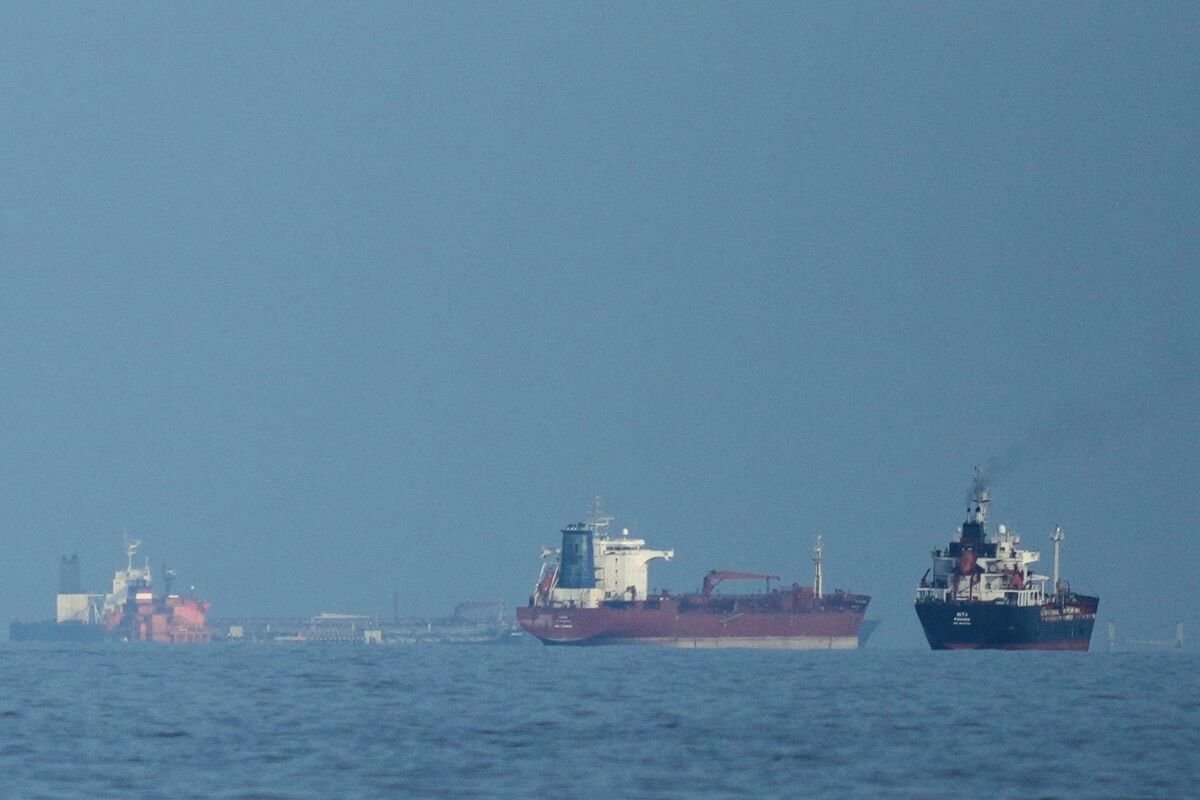
The crisis has once again highlighted the importance of diversifying shipping routes in the Middle East
-
Analysts believe Oman could play a bigger role in regional trade and logistics in the coming years as businesses look for safer and more reliable alternatives to the Strait of Hormuz
Oman’s ports have emerged as a crucial trade link for Indian exporters and Gulf countries as tensions around the Strait of Hormuz continue to disrupt shipping routes in the region. The ongoing Iran conflict and security concerns in the Gulf have slowed cargo movement, affecting supplies to several Gulf Cooperation Council (GCC) nations.
Ports in Oman, especially Sohar, Salalah and Duqm, are now helping Indian food exporters continue shipments to Gulf markets by offering alternative maritime routes outside the Strait of Hormuz. These ports are located along the Arabian Sea and Indian Ocean, allowing vessels to bypass one of the world’s busiest and most sensitive shipping channels.
-
India exports a large quantity of food products, including rice, sugar, fruits, vegetables and processed foods, to GCC countries such as the UAE, Saudi Arabia, Oman, Kuwait, Bahrain and Qatar
-
Any disruption in shipping routes can lead to delays, higher freight costs and supply shortages across the region
Industry experts say Oman’s strategic location and modern port infrastructure have helped maintain steady trade flows despite rising geopolitical tensions. The ports are increasingly being used as trans-shipment and distribution hubs for cargo heading towards Gulf markets.